Sustainable Coffee Practices: Britain's Green Revolution in Coffee Culture
The British coffee scene has undergone a remarkable transformation over the past decade, evolving from a nation of tea drinkers to passionate coffee enthusiasts who care deeply about where their beans come from and how they impact the world. Today's British coffee lovers are not just seeking exceptional flavour profiles and artisan roasting techniques; they're demanding transparency, ethical sourcing, and environmental responsibility from their favourite specialty coffee shops and premium coffee houses across London and beyond.
This shift towards sustainable coffee practices represents more than just a trend—it's a fundamental reimagining of how we approach our daily brew. From the bustling urban coffee shops of Manchester to the cozy coffee cafes of Edinburgh, British establishments are leading a green revolution that's reshaping global coffee communities and setting new standards for the entire industry.
The Foundation of Ethical Coffee Partnerships
At the heart of Britain's sustainable coffee movement lies a commitment to building genuine, long-term relationships with coffee farmers around the world. Unlike traditional commodity trading models that often leave farmers with minimal profits, modern British cafe culture embraces direct trade partnerships that ensure fair compensation and sustainable livelihoods for coffee-growing communities.
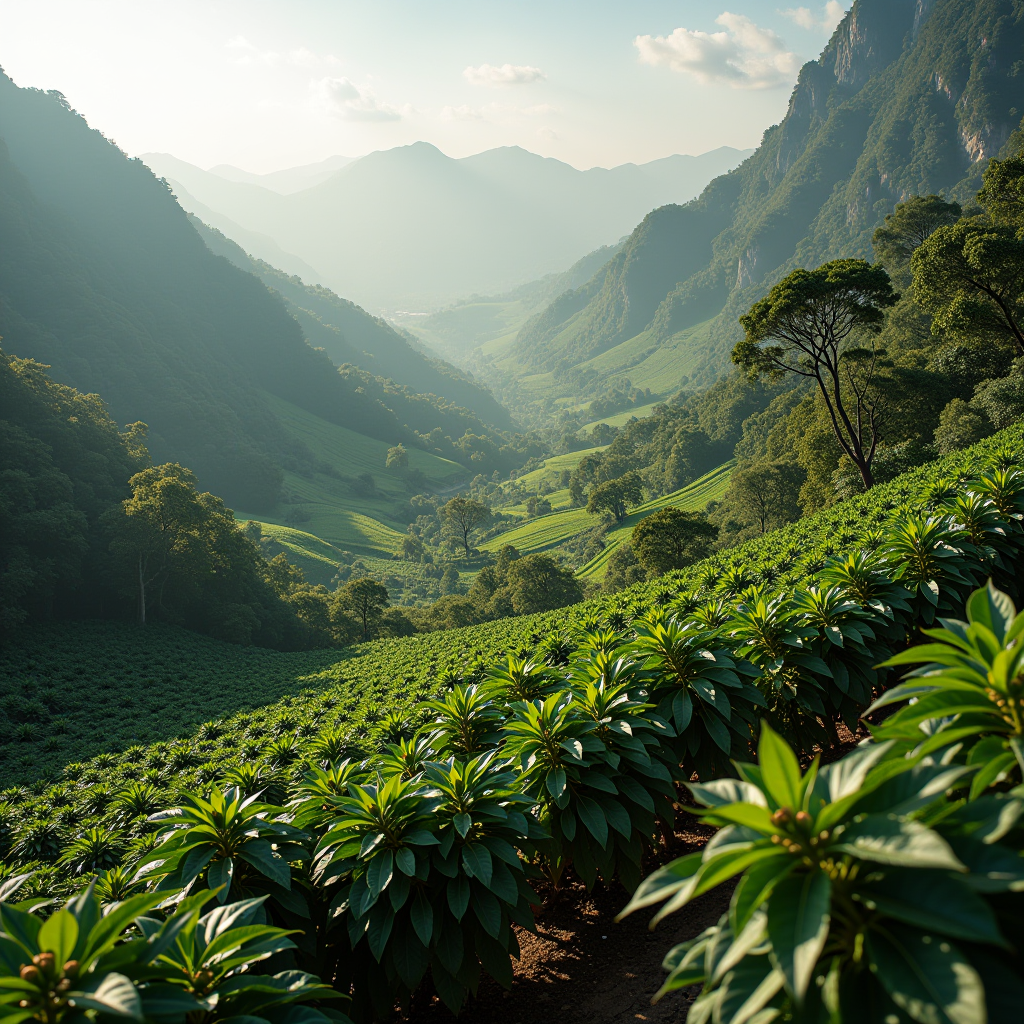
Leading artisan coffee shops across the UK have pioneered innovative partnership models that go far beyond simple fair trade certification. These relationships involve British roasters and cafe owners travelling directly to coffee-growing regions in Ethiopia, Colombia, Guatemala, and Kenya, spending time with farming families, understanding their challenges, and collaborating on solutions that benefit everyone involved in the supply chain.
The impact of these ethical partnerships extends well beyond financial transactions. British coffee houses are investing in education programmes that teach sustainable farming techniques, funding infrastructure improvements in remote coffee-growing villages, and supporting initiatives that empower women and young people in coffee communities. This holistic approach recognises that truly sustainable coffee requires addressing social, economic, and environmental factors simultaneously.
Many trendy coffee shops in London have established transparent pricing models where customers can see exactly how much of their payment goes directly to farmers. This level of transparency, once unheard of in the coffee industry, has become a badge of honour for premium coffee shops committed to ethical practices. Coffee lovers appreciate knowing that their morning cappuccino or afternoon latte contributes to positive change in coffee-growing regions.
Revolutionary Biodegradable Packaging Solutions
The environmental impact of coffee packaging has long been a concern for sustainability-minded consumers, and British coffee shops are at the forefront of developing innovative solutions to this challenge. Traditional coffee packaging, with its plastic linings and non-recyclable materials, contributes significantly to landfill waste and environmental degradation. However, the modern British cafe scene is pioneering alternatives that maintain coffee freshness while dramatically reducing environmental impact.
Cutting-edge specialty coffee cafes across Britain are now using fully compostable coffee bags made from plant-based materials that break down naturally within months rather than centuries. These innovative packaging solutions utilise materials derived from corn starch, sugarcane, and other renewable resources, creating a protective barrier that keeps fresh roasted coffee at peak quality while remaining completely biodegradable.
The revolution extends beyond retail packaging to encompass every aspect of the coffee experience. Stylish coffee cafes have eliminated single-use plastic stirrers, replacing them with wooden or bamboo alternatives. Takeaway cups, once a major source of waste, are now made from plant-based materials with water-based linings that can be composted alongside food waste. Even the lids on these cups are crafted from renewable resources, ensuring that every element of the to-go coffee experience aligns with environmental values.
British coffee houses are also leading the charge in reusable cup programmes, offering significant discounts to customers who bring their own vessels. Some gourmet coffee shops have implemented deposit schemes for reusable cups, creating a circular system that dramatically reduces waste while maintaining the convenience that modern coffee lovers expect. These initiatives have proven so successful that they're being adopted by coffee shops worldwide, with the British model serving as a blueprint for sustainable operations.
Energy Efficiency and Carbon Reduction in Coffee Roasting
Coffee roasting is an energy-intensive process, but British roasters are revolutionising the industry through innovative approaches to energy efficiency and carbon reduction. Modern cafe atmospheres now feature state-of-the-art roasting equipment that uses significantly less energy while producing superior results, demonstrating that sustainability and quality are not mutually exclusive goals.
Advanced roasting technologies employed by premium coffee shops include heat recovery systems that capture and reuse thermal energy that would otherwise be wasted. These systems can reduce energy consumption by up to forty percent while maintaining the precise temperature control necessary for developing complex flavour profiles in specialty coffee. The result is exceptional espresso coffee shop quality with a dramatically reduced carbon footprint.
Many urban coffee shops have gone even further, installing solar panels to power their operations and investing in renewable energy sources for their roasting facilities. Some artisan coffee shops have achieved carbon-neutral status by carefully measuring their emissions and offsetting unavoidable impacts through verified environmental projects. This commitment to carbon reduction extends throughout the supply chain, with British coffee houses working with shipping partners to minimise transportation emissions and exploring innovative solutions like sail-powered cargo ships for transporting green coffee beans.
The focus on energy efficiency isn't limited to roasting operations. Cozy coffee cafes across Britain have implemented comprehensive energy management systems that optimise heating, cooling, and lighting throughout their spaces. LED lighting, high-efficiency espresso machines, and smart thermostats work together to create comfortable modern cafe atmospheres while minimising energy consumption. These investments not only reduce environmental impact but also lower operating costs, proving that sustainability makes good business sense.
Water Conservation and Waste Management Excellence
Water is essential to coffee production, from growing and processing beans to brewing the perfect cup, making water conservation a critical component of sustainable coffee practices. British coffee shops are implementing sophisticated water management systems that dramatically reduce consumption while maintaining the high standards expected by discerning coffee lovers.
Innovative latte cafe operations now feature water filtration and recycling systems that purify and reuse water from various processes. Advanced espresso machines incorporate water-saving technologies that deliver exceptional extraction while using minimal water. Some trendy coffee shops have installed greywater systems that capture water from handwashing and other non-contaminated sources, treating it for use in toilet flushing and landscape irrigation.
Waste management in British coffee houses has evolved into a comprehensive system that views coffee grounds and other organic materials as valuable resources rather than waste products. Spent coffee grounds, which once filled rubbish bins, are now collected for composting, creating nutrient-rich soil amendments for gardens and farms. Progressive specialty coffee cafes partner with local gardening initiatives and urban farming projects, ensuring that every kilogram of coffee grounds contributes to growing food and beautifying communities.
The commitment to zero waste extends to every aspect of operations. Milk containers are returned to suppliers for cleaning and reuse. Cardboard packaging is carefully separated for recycling. Even the burlap sacks that transport green coffee beans find new life as shopping bags, decorative elements, or raw materials for local craftspeople. This circular approach to resource management demonstrates how gourmet coffee shops can operate profitably while minimising their environmental footprint.
Community Impact and Education Initiatives
The true measure of sustainable coffee practices lies not just in environmental metrics but in the positive impact on communities both near and far. British coffee culture has embraced this broader definition of sustainability, recognising that creating lasting change requires engaging and educating consumers, supporting local communities, and fostering a culture of environmental responsibility that extends far beyond the walls of any single coffee shop.
Leading british coffee houses have become community hubs for sustainability education, hosting workshops on topics ranging from home composting to understanding coffee supply chains. These events bring together coffee lovers, environmental advocates, and industry experts, creating spaces for meaningful dialogue about how individual choices impact global coffee communities. Customers learn about the journey their coffee takes from farm to cup, gaining appreciation for the work of farmers and the importance of supporting ethical practices.
Many stylish coffee cafes have established partnerships with local schools and community organisations, developing educational programmes that introduce young people to sustainable agriculture, fair trade principles, and environmental stewardship. These initiatives often include virtual connections with coffee-growing communities, allowing British students to interact directly with farming families and understand the global nature of the coffee industry. Such programmes inspire the next generation of conscious consumers and potential industry leaders.
The community focus extends to supporting local economies and social enterprises. British coffee shops increasingly source milk, pastries, and other products from nearby farms and bakeries, reducing transportation emissions while supporting regional food systems. Some premium coffee shops have established social enterprise models that employ individuals facing barriers to traditional employment, demonstrating that business success and social responsibility can go hand in hand. These initiatives create ripple effects throughout communities, proving that sustainable coffee practices benefit everyone involved.
The Future of Sustainable Coffee in Britain
As we look toward the future, the trajectory of sustainable coffee practices in Britain points toward even more ambitious goals and innovative solutions. The foundation laid by pioneering artisan coffee shops and specialty coffee cafes has created momentum that continues to accelerate, with new technologies, partnerships, and approaches emerging regularly. The British coffee scene is not resting on its achievements but pushing boundaries and setting ever-higher standards for environmental and social responsibility.
Emerging technologies promise to revolutionise every aspect of sustainable coffee production and consumption. Blockchain systems are being implemented to provide unprecedented transparency in supply chains, allowing customers to trace their coffee back to specific farms and verify ethical practices at every step. Artificial intelligence is helping roasters optimise energy use and reduce waste while maintaining quality. New processing methods are being developed that require less water and energy while producing exceptional flavour profiles that satisfy even the most discerning coffee lovers.
The conversation around sustainability is also expanding to address climate change adaptation in coffee-growing regions. British coffee houses are partnering with agricultural researchers and farming communities to develop climate-resilient coffee varieties and farming practices that can withstand changing weather patterns. These initiatives recognise that the long-term viability of the coffee industry depends on helping farmers adapt to environmental challenges while maintaining their livelihoods and the quality that makes specialty coffee special.
Consumer expectations continue to evolve, with sustainability becoming not just a preference but a requirement for many coffee enthusiasts. This shift in consumer values is driving innovation throughout the industry, as coffee shops compete to demonstrate their commitment to ethical and environmental practices. The result is a virtuous cycle where consumer demand drives industry improvement, which in turn raises consumer expectations, creating continuous progress toward more sustainable coffee systems.
The British model of sustainable coffee practices is gaining international recognition and adoption, with coffee shops around the world looking to the UK for inspiration and guidance. This global influence amplifies the impact of British innovations, creating positive change in coffee communities worldwide. As the movement grows, the collective impact of millions of conscious coffee choices adds up to significant improvements in the lives of farmers, the health of ecosystems, and the sustainability of an industry that brings joy to billions of people every day.
Making a Difference with Every Cup
The journey toward sustainable coffee is ongoing, and every coffee lover has a role to play. By choosing to support british coffee shops and british cafes that prioritise ethical sourcing, environmental responsibility, and community impact, consumers become active participants in creating positive change. Whether enjoying a perfectly crafted cappuccino in a cozy coffee cafe or purchasing fresh roasted coffee for home brewing, each choice represents an opportunity to support farmers, protect the environment, and contribute to a more sustainable future for the coffee industry and the planet.
The transformation of British coffee culture from a simple beverage service to a force for global good demonstrates the power of conscious consumerism and ethical business practices. As more coffee shops embrace sustainability and more consumers demand responsible practices, the positive impact grows exponentially. The green revolution in British coffee is not just about better coffee—though the quality improvements have been remarkable—it's about creating a coffee industry that enriches lives, protects the environment, and builds stronger communities around the world.
From the london style coffee shop serving impeccably sourced espresso to the neighbourhood cafe composting its grounds and supporting local farmers, sustainable coffee practices are becoming the norm rather than the exception. This shift represents a fundamental reimagining of what it means to be a coffee business in the twenty-first century, where success is measured not just in profits but in positive impact on people and planet. As British coffee lovers continue to embrace these values and support businesses that share them, the future of coffee looks brighter, more ethical, and more sustainable than ever before.