The Evolution of British Coffee Culture: Where Tea Traditions Meet Modern Brewing
Discover how contemporary British coffee culture blends time-honored tea-drinking traditions with innovative brewing methods across the United Kingdom
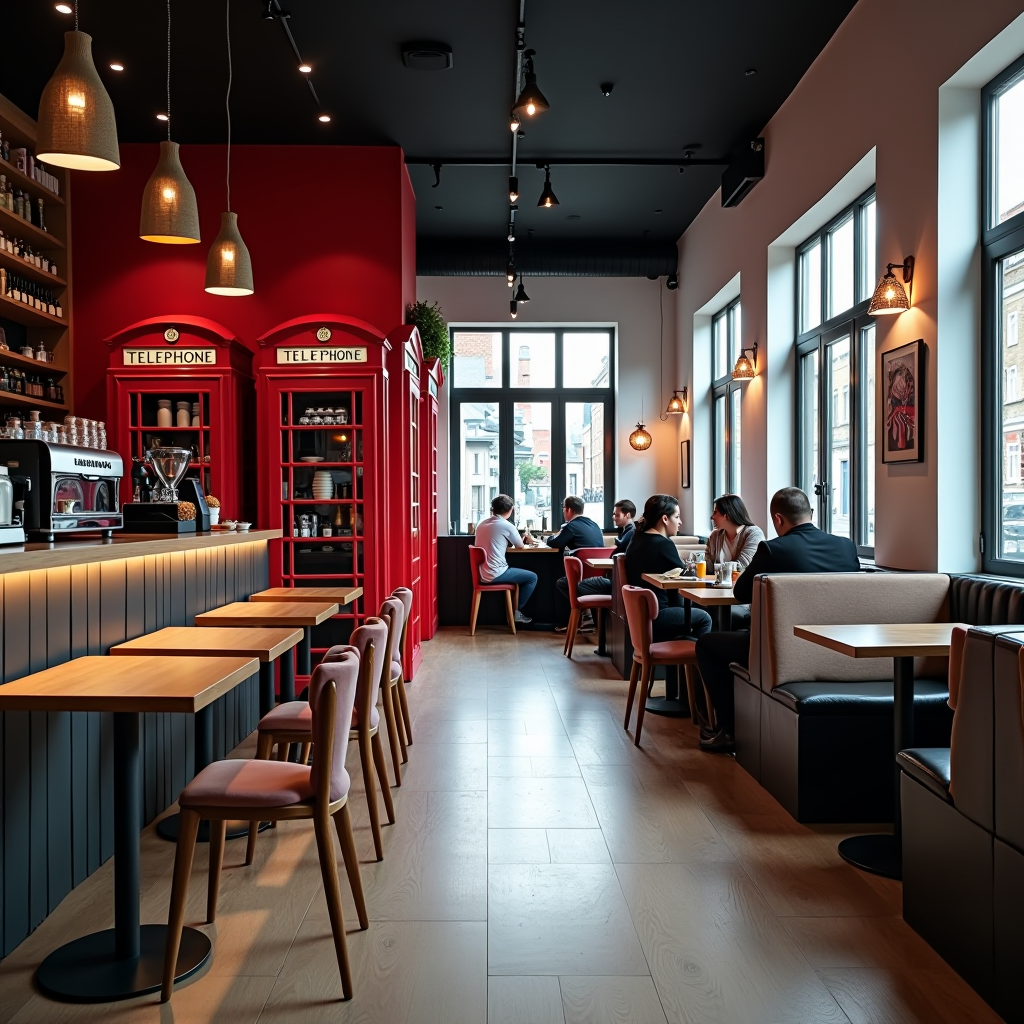
The United Kingdom, long celebrated as a nation of tea drinkers, has undergone a remarkable transformation in recent years. From the bustling streets of London to the vibrant neighborhoods of Manchester, Edinburgh, and Bristol, a sophisticated coffee culture has emerged that honors British traditions while embracing global innovation. This evolution represents more than just a shift in beverage preferences—it reflects a broader cultural movement that values craftsmanship, quality, and the art of the perfect brew.
From Tea Rooms to Specialty Coffee Cafes: A Cultural Shift
The British relationship with hot beverages has always been deeply rooted in ritual and social connection. For centuries, tea rooms served as gathering places where conversations flowed as freely as the Earl Grey. Today's modern British cafe has inherited this legacy, transforming it into something entirely new while maintaining the essence of what made those traditional spaces special.
The specialty coffee movement in the UK began gaining momentum in the early 2000s, but it wasn't until the 2010s that it truly flourished. Independent coffee shops started appearing in neighborhoods across major cities, each bringing their own interpretation of what a British coffee house could be. These establishments didn't simply copy the American or Australian models—they created something distinctly British, blending the precision of Japanese brewing techniques with the warmth of traditional British hospitality.
What makes the British approach to coffee culture unique is its respect for both innovation and tradition. While baristas experiment with cutting-edge brewing methods and single-origin beans from around the world, they do so within spaces that often feature elements reminiscent of classic British design—exposed brick walls, vintage furniture, and that unmistakable attention to creating a cozy, welcoming atmosphere that the British do so well.
The transformation hasn't been about replacing tea culture but rather expanding the nation's appreciation for expertly crafted hot beverages. Many of the best British coffee shops still offer an excellent selection of teas, recognizing that the ritual of sitting down with a carefully prepared drink—whether coffee or tea—is what truly matters to their customers.
The Rise of Pour-Over and Manual Brewing Methods
Walk into any trendy London coffee shop today, and you're likely to witness the mesmerizing ritual of pour-over coffee preparation. This manual brewing method, which requires precision, patience, and skill, has become emblematic of the British specialty coffee scene. The technique involves slowly pouring hot water over freshly ground coffee in a circular motion, allowing the water to extract the beans' full flavor profile gradually.
The appeal of pour-over coffee in Britain goes beyond the superior taste it produces. There's something inherently British about the methodical, almost ceremonial nature of the process. It echoes the traditional tea ceremony's attention to detail and timing, creating a bridge between old and new beverage cultures. Baristas who master this technique become artisans in their own right, their movements practiced and deliberate, their understanding of variables like water temperature, grind size, and pouring speed approaching scientific precision.
British coffee enthusiasts have embraced various manual brewing methods beyond pour-over. The AeroPress, with its versatility and ability to produce clean, flavorful coffee, has found a devoted following. French press coffee, appreciated for its full-bodied richness, remains popular in both cafes and homes. Even the humble V60 dripper has become a symbol of the craft coffee movement, its simple design belying the skill required to use it effectively.
What's particularly interesting about the British adoption of these brewing methods is how they've been integrated into the existing cafe culture. Rather than viewing manual brewing as pretentious or overly complicated, British coffee lovers have embraced it as an opportunity to slow down and appreciate the craftsmanship involved in creating an exceptional cup of coffee. This aligns perfectly with the growing movement toward mindfulness and quality over quantity that characterizes modern British consumer culture.
The Flat White Phenomenon: Australia Meets Britain
No discussion of British coffee culture would be complete without addressing the flat white phenomenon. This Australian and New Zealand creation has become so thoroughly integrated into British cafe culture that many younger Britons might be surprised to learn it's not a native invention. The flat white—a double shot of espresso topped with microfoam milk—represents the perfect marriage of strength and smoothness that appeals to British palates.
The drink's popularity in the UK speaks to the nation's evolving coffee preferences. Unlike the large, milky lattes that dominated early specialty coffee adoption, the flat white offers a more balanced ratio of coffee to milk, allowing the espresso's flavor to shine through while still providing the creamy texture that British coffee drinkers appreciate. It's strong enough to satisfy those transitioning from traditional espresso drinks but approachable enough for those new to specialty coffee.
British baristas have taken the flat white and made it their own, often adding subtle variations while maintaining the drink's essential character. The focus on milk texture—achieving that perfect microfoam that's neither too thick nor too thin—has become a point of pride among UK coffee professionals. Competitions and training sessions dedicated to perfecting milk steaming techniques are common, reflecting the serious approach British baristas take to their craft.
The flat white's success in Britain also highlights how the country's coffee culture has become truly international. British coffee shops draw inspiration from coffee traditions around the world—Italian espresso culture, Scandinavian light roasts, Japanese precision brewing, and Australian cafe culture—synthesizing these influences into something uniquely British. This cosmopolitan approach reflects modern Britain itself, a diverse, globally connected nation that takes the best from various cultures and makes it its own.
Regional Coffee Scenes: From London to Manchester and Beyond
While London often dominates discussions of British coffee culture, the reality is that exceptional coffee scenes have developed throughout the United Kingdom. Manchester, in particular, has emerged as a coffee powerhouse, with its Northern Quarter becoming a destination for coffee enthusiasts. The city's independent coffee shops embody a distinctly Mancunian approach—unpretentious, innovative, and deeply connected to the local community.
Edinburgh's coffee culture reflects the city's historic character while embracing modern trends. Coffee shops in Scotland's capital often occupy beautiful historic buildings, creating a unique atmosphere where centuries-old architecture meets contemporary coffee equipment. The Scottish approach to coffee tends to emphasize sustainability and local sourcing, with many Edinburgh cafes partnering with Scottish roasters and prioritizing ethical bean sourcing.
Bristol has developed a reputation for its creative, environmentally conscious coffee scene. The city's coffee shops often double as community spaces, hosting art exhibitions, live music, and workshops. This reflects Bristol's broader cultural identity as a city that values creativity, sustainability, and social connection. Many Bristol cafes have pioneered zero-waste initiatives and plant-based milk alternatives, influencing coffee culture throughout the UK.
Even smaller cities and towns across Britain have seen the emergence of quality coffee shops. From Brighton's beachside cafes to York's historic coffee houses, from Cardiff's Welsh-language coffee culture to Belfast's thriving independent scene, specialty coffee has become a nationwide phenomenon. Each region brings its own character to coffee culture, creating a rich tapestry of styles and approaches that collectively define modern British coffee.
The Morning Ritual: How Coffee Has Transformed British Routines
The integration of specialty coffee into British daily life has fundamentally changed morning routines across the country. Where once the day began with a quick cup of instant coffee or a traditional breakfast tea, many Britons now start their mornings with carefully crafted coffee drinks. This shift represents more than just a change in beverage choice—it reflects a broader cultural movement toward mindfulness and quality in everyday experiences.
The modern British morning coffee ritual often involves a visit to a local coffee shop, where the interaction with skilled baristas and the sensory experience of watching coffee being prepared has become as important as the drink itself. This social aspect of coffee culture has created new community spaces where neighbors meet, remote workers find productive environments, and friendships form over shared appreciation for excellent coffee.
Home brewing has also experienced a renaissance, with British coffee enthusiasts investing in quality equipment and learning proper brewing techniques. The market for home espresso machines, grinders, and manual brewing devices has grown significantly, supported by online communities, YouTube tutorials, and local workshops. This democratization of coffee knowledge means that achieving cafe-quality coffee at home is more accessible than ever before.
The timing of coffee consumption has also evolved. While the traditional British "elevenses" tea break remains popular in some contexts, coffee breaks have become more flexible and frequent. The afternoon coffee—once considered unusual in a tea-drinking nation—is now commonplace, with many British workers taking multiple coffee breaks throughout the day. This shift reflects changing work patterns, with more people working flexible hours or from home, where they have greater control over their beverage choices.
Looking Forward: The Future of British Coffee Culture
As we look toward the future of British coffee culture, several trends are emerging that will likely shape its continued evolution. Sustainability has become increasingly important, with consumers demanding transparency about bean sourcing, environmental impact, and fair trade practices. British coffee shops are responding by forming direct relationships with coffee farmers, investing in sustainable packaging, and implementing comprehensive recycling and composting programs.
Technology is also playing a growing role, from precision brewing equipment that allows for unprecedented control over extraction variables to apps that help consumers discover new coffee shops and learn about different beans and brewing methods. However, the British approach to coffee technology tends to emphasize how it can enhance rather than replace the human element of coffee preparation and service.
The next generation of British coffee professionals is pushing boundaries even further, experimenting with fermentation processes, unusual processing methods, and innovative flavor combinations. Yet they're doing so while maintaining respect for coffee's fundamental qualities and the traditions that have shaped British cafe culture. This balance between innovation and tradition seems likely to define British coffee culture for years to come.
Perhaps most importantly, the future of British coffee culture will continue to be shaped by its ability to create community and connection. In an increasingly digital world, coffee shops remain vital third spaces where people can gather, work, and socialize. The best British cafes understand that they're not just selling coffee—they're providing an experience, a sense of belonging, and a moment of quality in busy lives.
The evolution of British coffee culture represents a beautiful synthesis of tradition and innovation, where the ceremonial aspects of tea drinking have found new expression in the careful preparation of specialty coffee. As this culture continues to mature, it offers a model for how nations can embrace global trends while maintaining their unique character and values.